Durga puja
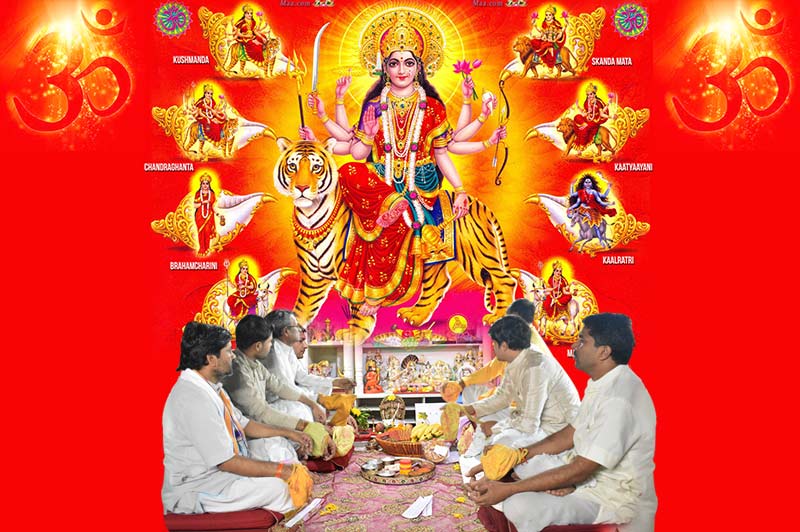
Durga Puja is a grand Hindu festival celebrating the victory of Goddess Durga over the demon Mahishasura. It represents the triumph of good over evil and honors feminine power. The festival is especially popular in West Bengal, Odisha, Assam, Bihar, and Bangladesh, lasting for six days - from Mahalaya to Vijaya Dashami - with rituals, prayers, music, dance, and idol immersion on the final day.
1. Worship of Goddess Durga and her nine forms
2. Beautifully decorated pandals (temporary temples)
3. Artistic clay idols of Goddess Durga with her children - Lakshmi, Saraswati, Kartikeya, and Ganesha
4. Cultural programs including music, dance, and drama
5. Traditional food stalls and community feasts
6. Lighting and decoration across streets and homes
7. Processions and immersion (Visarjan) on Vijaya Dashami
8. Devotional songs and prayers (aarti) performed daily
9. Social gatherings promoting unity and joy
10. Celebration of women's power and victory of good over evil
1. Idol or picture of Goddess Durga
2. Kalash (holy pot)
3. Coconut
4. Mango leaves
5. Betel leaves and nuts
6. Rice grains (Akshata)
7. Flowers (especially red hibiscus)
8. Incense sticks (Agarbatti)
9. Lamp (Diya) and ghee or oil
10. Sandalwood paste
11. Kumkum (vermilion) and turmeric
12. Fruits and sweets for offering
13. Holy water (Ganga jal)
14. Cloth for the deity (red or yellow saree)
15. Bell (Ghanti) and conch shell (Shankh)
16. Camphor for aarti
17. Durva grass and turmeric root
18. Panchamrit (mixture of milk, curd, honey, ghee, and sugar)
Durga puja
Book Your Pandit
🙏 Zero Upfront Cost — Pay After ConfirmationRelated Poojas




Copyright © 2025-2026 kalkipuja. All Rights Reserved