Get Consultation from Experts | First Chat Free
Enter your mobile number to continue
Enter the 6-digit OTP sent to
Didn't receive OTP? Resend OTP
Please wait...
Seemantonnayan Puja, also known as Simantonnayana or Godh Bharai, is a traditional Hindu ceremony performed during the seventh or eighth month of pregnancy. The ritual symbolizes parting the hair of the expectant mother and is meant to ensure the well-being of both mother and child. It is a joyous occasion that blends spiritual blessings with social celebration, often involving family and friends.
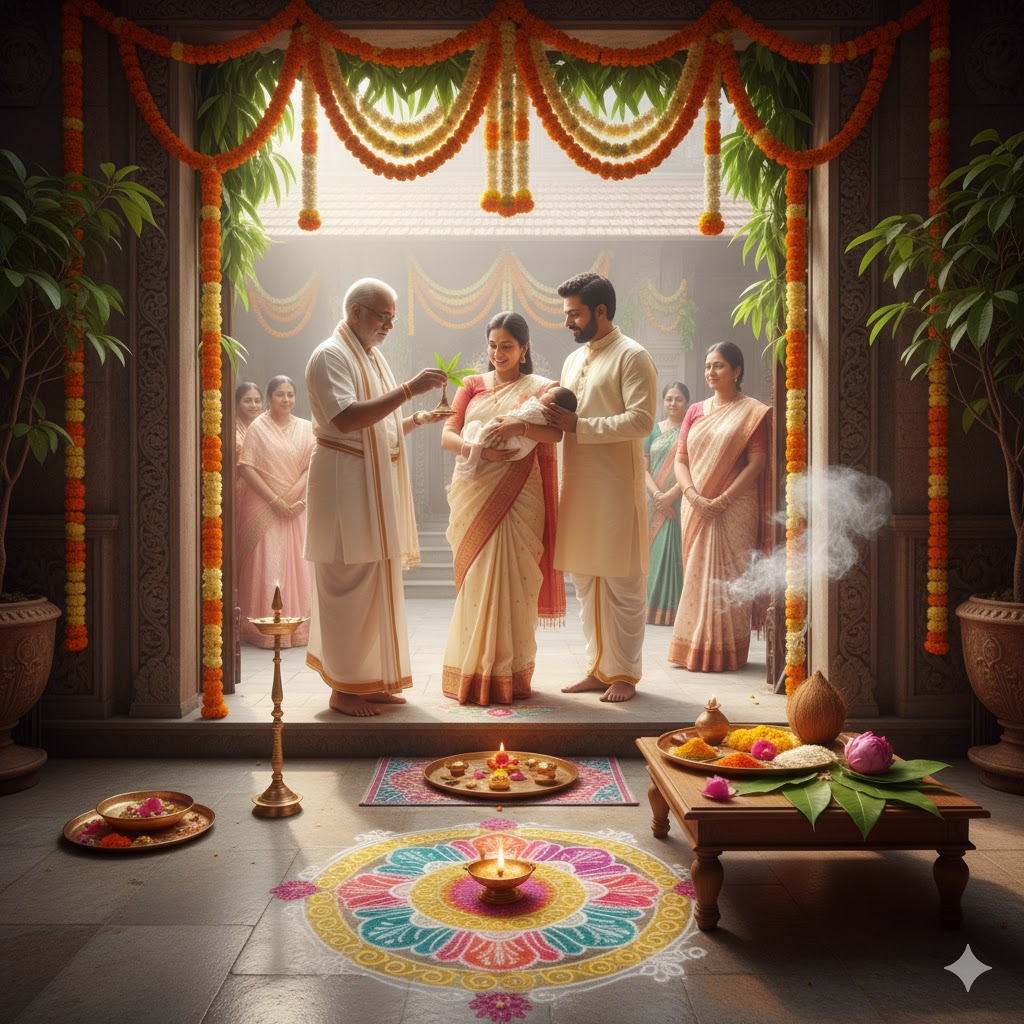
Nishkramana Puja, also known as the (first outing) ceremony, marks the moment when a newborn is taken outside the home for the first time. Traditionally performed in the fourth month after birth, the ritual involves showing the child the sun and other auspicious symbols while chanting Vedic hymns. It symbolizes the child's introduction to the external world and invokes blessings for health, protection, and spiritual growth.
Chudakarma Puja, also called Mundan Sanskar or Tonsure Ceremony, is a traditional Hindu ritual where a child's head is shaved for the first time. This samskara symbolizes purification, the removal of past karmas, and the beginning of intellectual and spiritual development. It is usually performed between the ages of 1 and 5, often at a temple or sacred place, and is accompanied by Vedic mantras and blessings.
Karnavedha Puja is a sacred Hindu ritual in which a child's ears are pierced, typically between the ages of 1 and 5. This ceremony is believed to enhance spiritual receptivity and protect the child from negative energies. It is traditionally performed with Vedic mantras and blessings, often at a temple or in the presence of a priest. The ritual also symbolizes the child's readiness to receive sacred sounds and teachings.
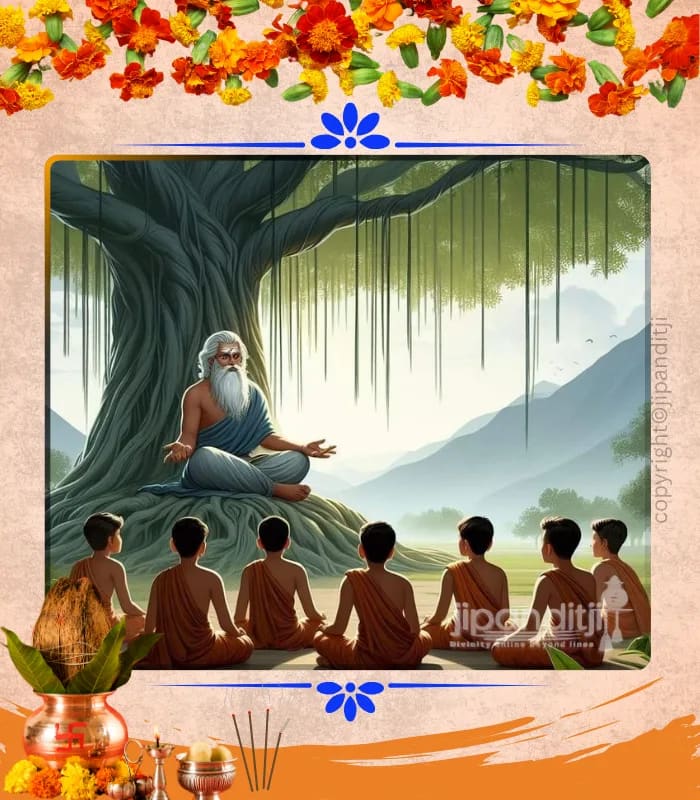
Vidyarambh Puja, also known as Aksharabhyasam or Patti Pujan, is a sacred Hindu ceremony that celebrates a child's first step into education. Performed when the child is deemed ready to begin learning (usually between ages 2 and 5), the ritual involves writing the first letters on a slate or in rice, invoking the blessings of Goddess Saraswati and Lord Ganesha for wisdom, intellect, and academic success. It is often conducted during auspicious occasions like Vasant Panchami or Navratri
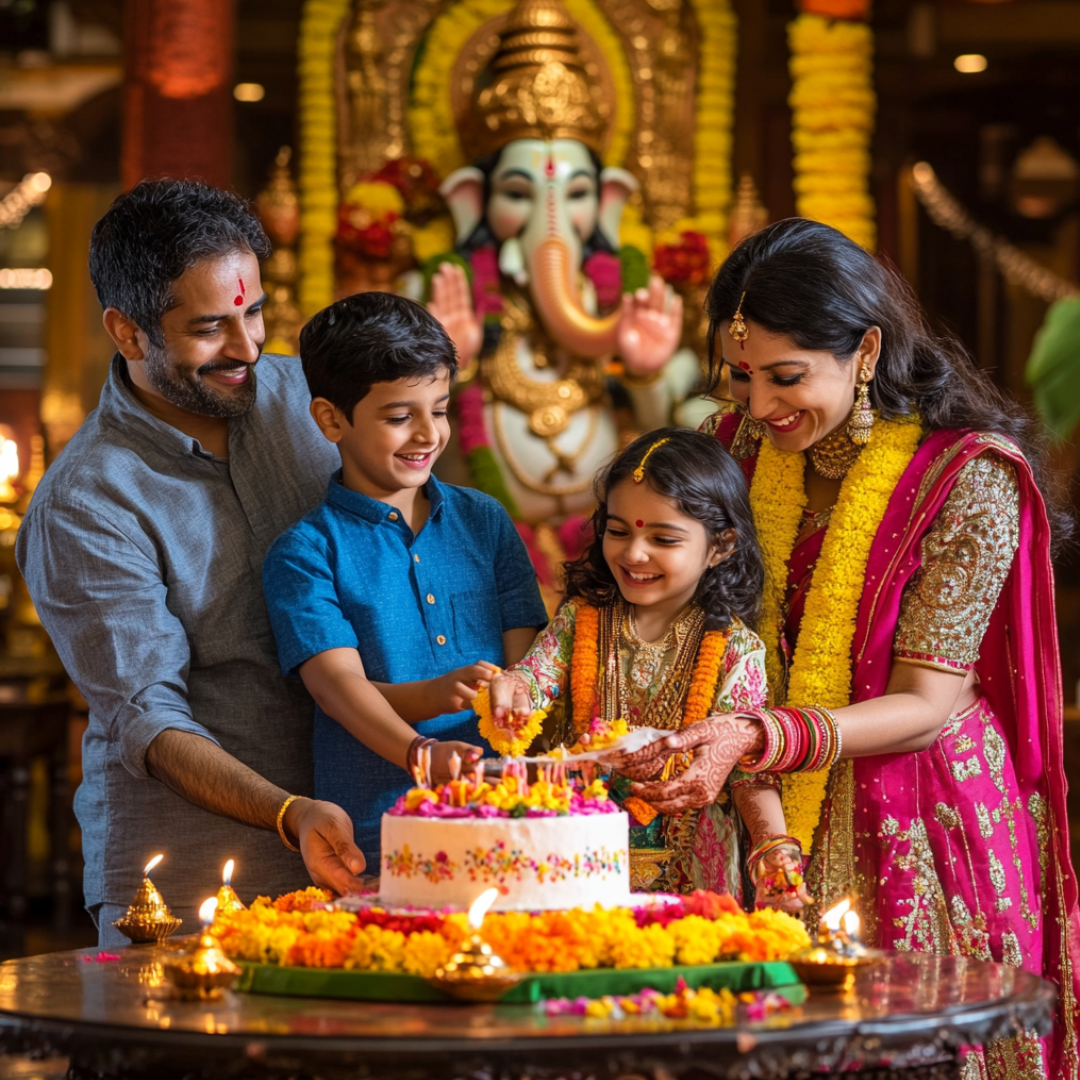
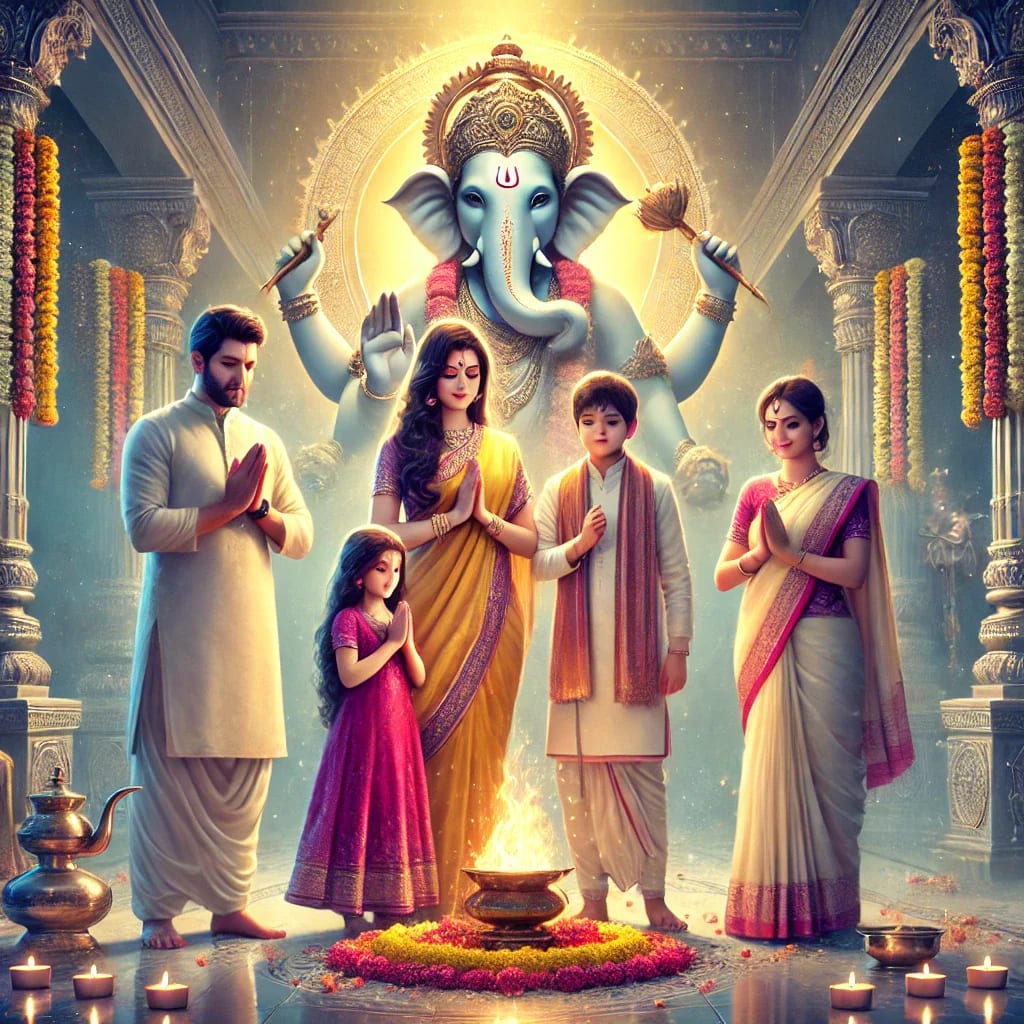
Birthday Puja is a sacred Hindu ritual performed on one’s birthday to express gratitude to God and seek divine blessings for health, happiness, and long life. This puja marks the beginning of a new year in a person’s life and is believed to remove negative energies and bring positivity.
Marriage Anniversary Puja is a sacred Hindu ritual performed to thank God for togetherness, love, and marital harmony, and to seek divine blessings for a long, happy, and prosperous married life. This puja marks the completion of another year of marriage and strengthens the spiritual bond between husband and wife.
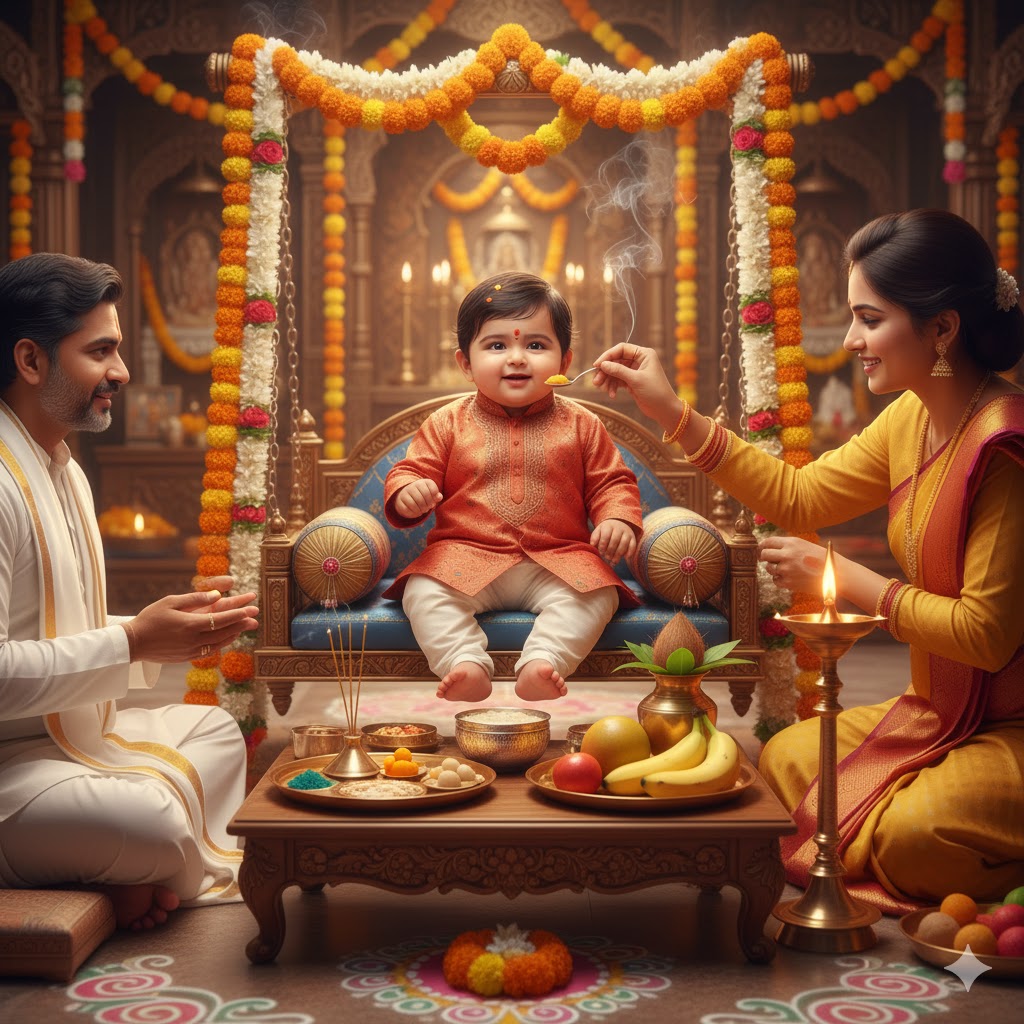
Annaprashan Puja is a sacred Hindu ritual that marks a baby’s first intake of solid food, usually rice. This ceremony symbolizes the child’s transition from liquid nourishment to solid food and is performed to seek blessings for the baby’s good health, strength, and long life.
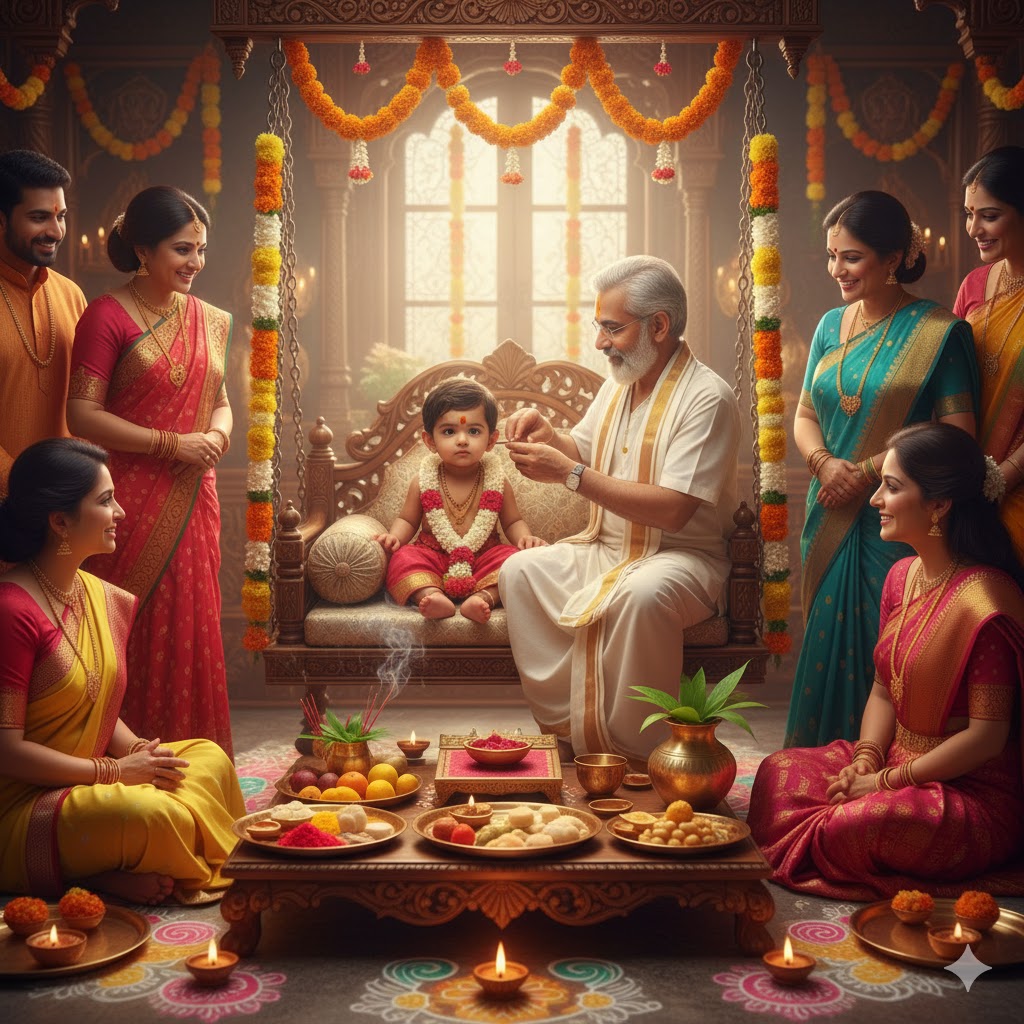
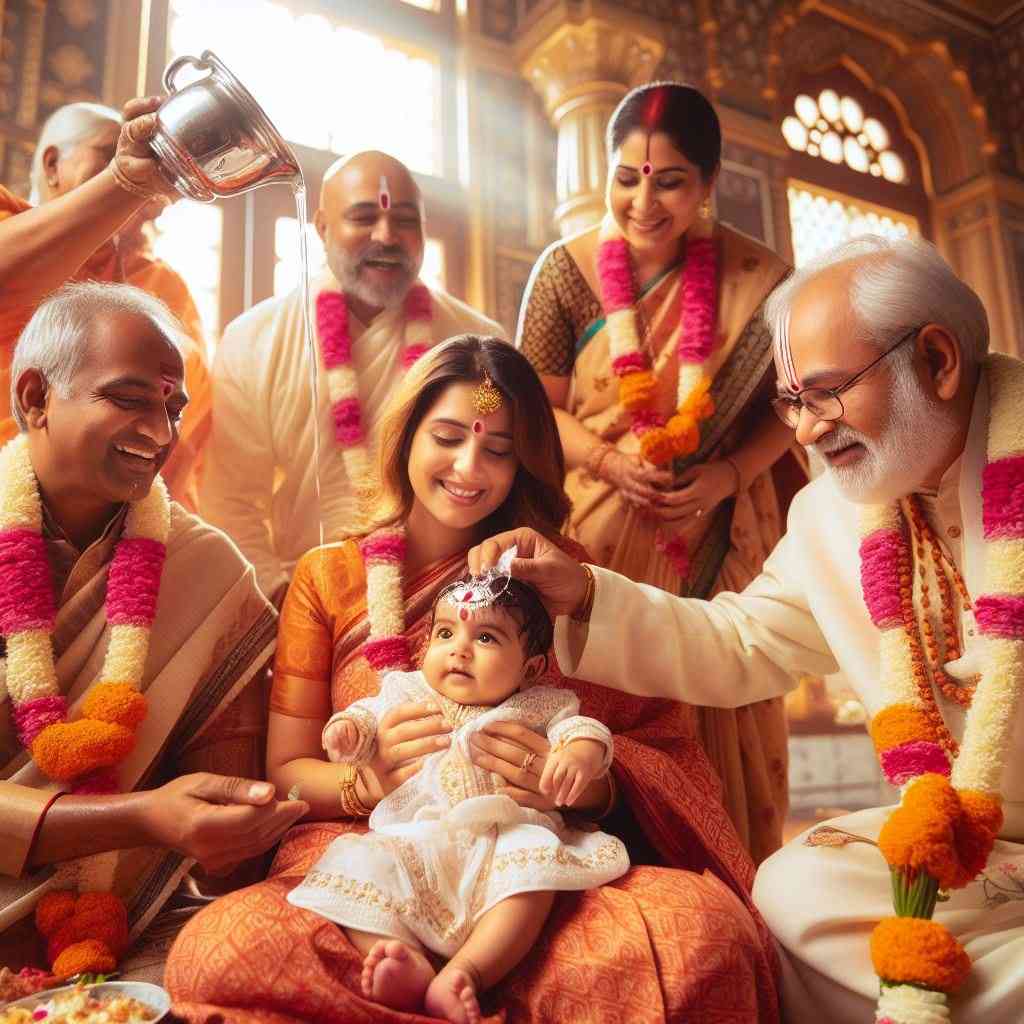
Naamkaran Puja is a sacred Hindu ritual performed to formally name a newborn baby. This ceremony is usually conducted on an auspicious day after birth and marks the child’s official identity and spiritual introduction into the family and society.
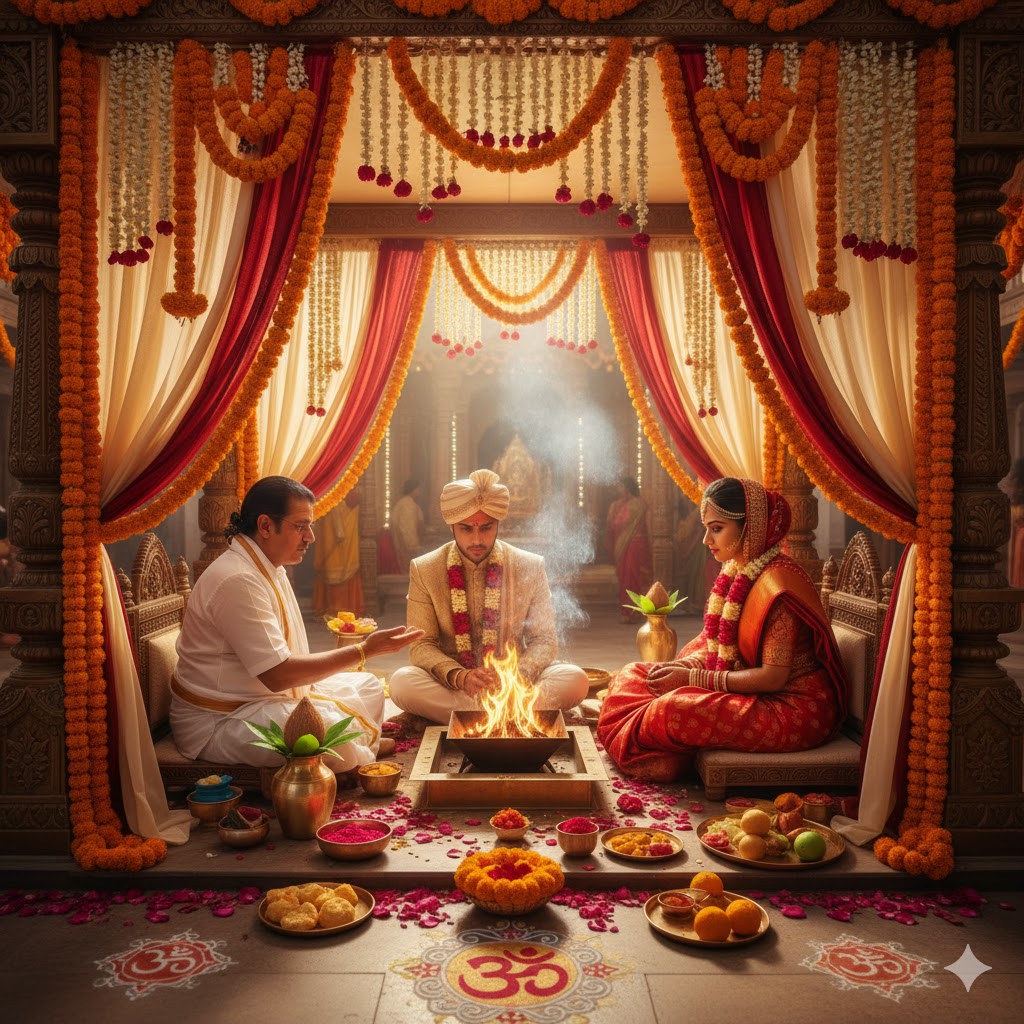
Marriage Puja is a sacred Hindu ritual performed to invoke divine blessings for a happy, harmonious, and long-lasting married life. This puja is conducted either before or during the wedding ceremony to seek grace from the divine for love, understanding, mutual respect, and prosperity between the bride and groom.